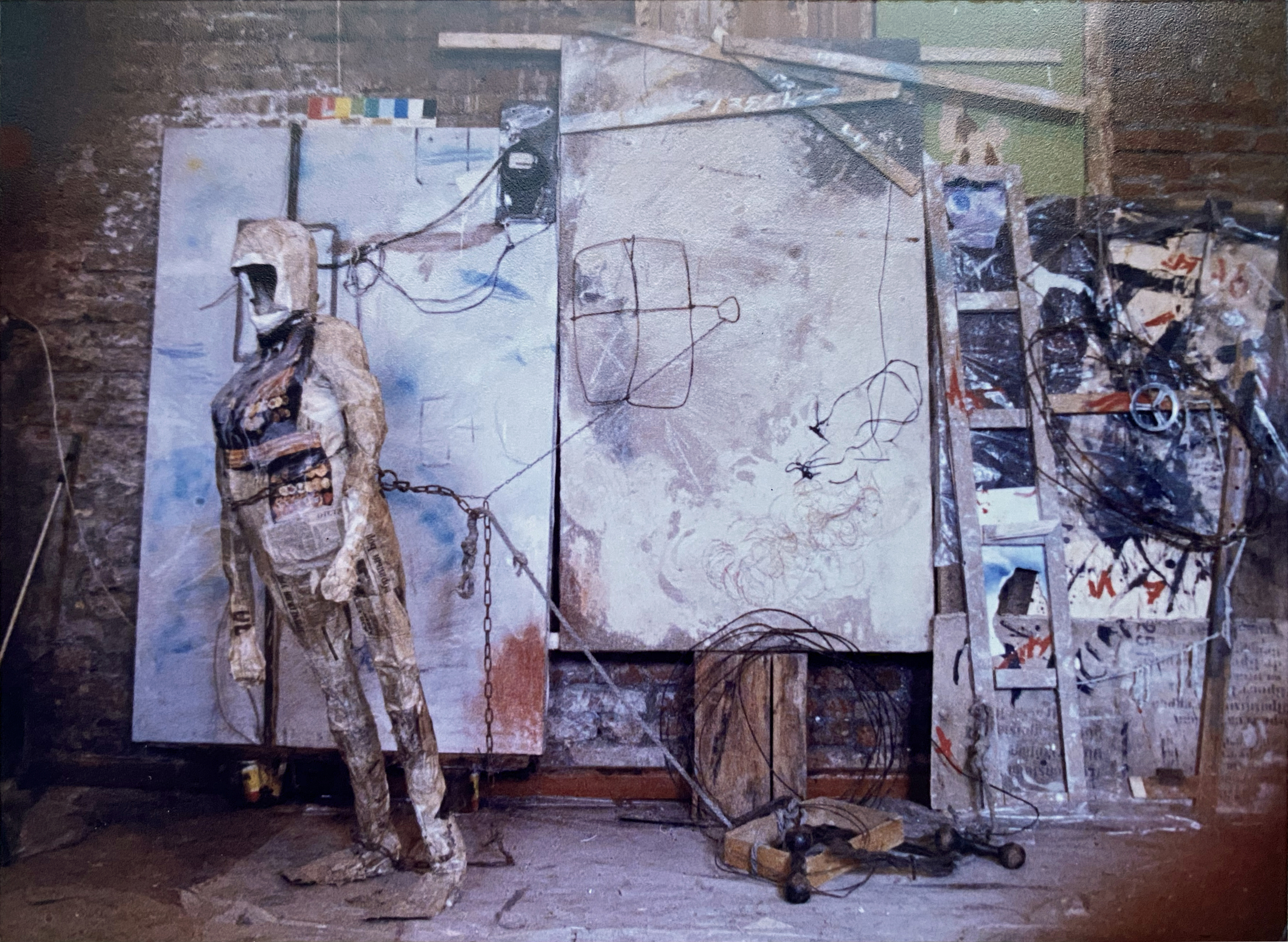
This artwork features a background wall, visibly damaged, which is divided into three sections representing key periods in USSR history: the Revolution, Repression, and the Cold War. In front of this destroyed wall stands a hollow, faceless sculpture. The figure is conspicuously constructed from Soviet-era newspapers, such as Pravda and Komsomolskaia Pravda. Its chest is adorned with various medals of honor—awards typically given to military figures, politicians, astronauts, and workers. The sculpture is connected to the wall by a rope and chain and is surrounded by numerous broken objects. The artwork powerfully conveys the core idea that the homo sovieticus—a product of Soviet conditioning and upbringing—was fundamentally incapable of overnight transformation into the ideal citizen of the new, open, and democratic society envisioned by Perestroika.
Exhibited:
- National Gallery, Tbilisi, USSR, 1987
- Moscow Film House, Moscow, USSR, 1987
- Hotel de Ville, Strasbourg, France, 1989
Crusade III, 1993
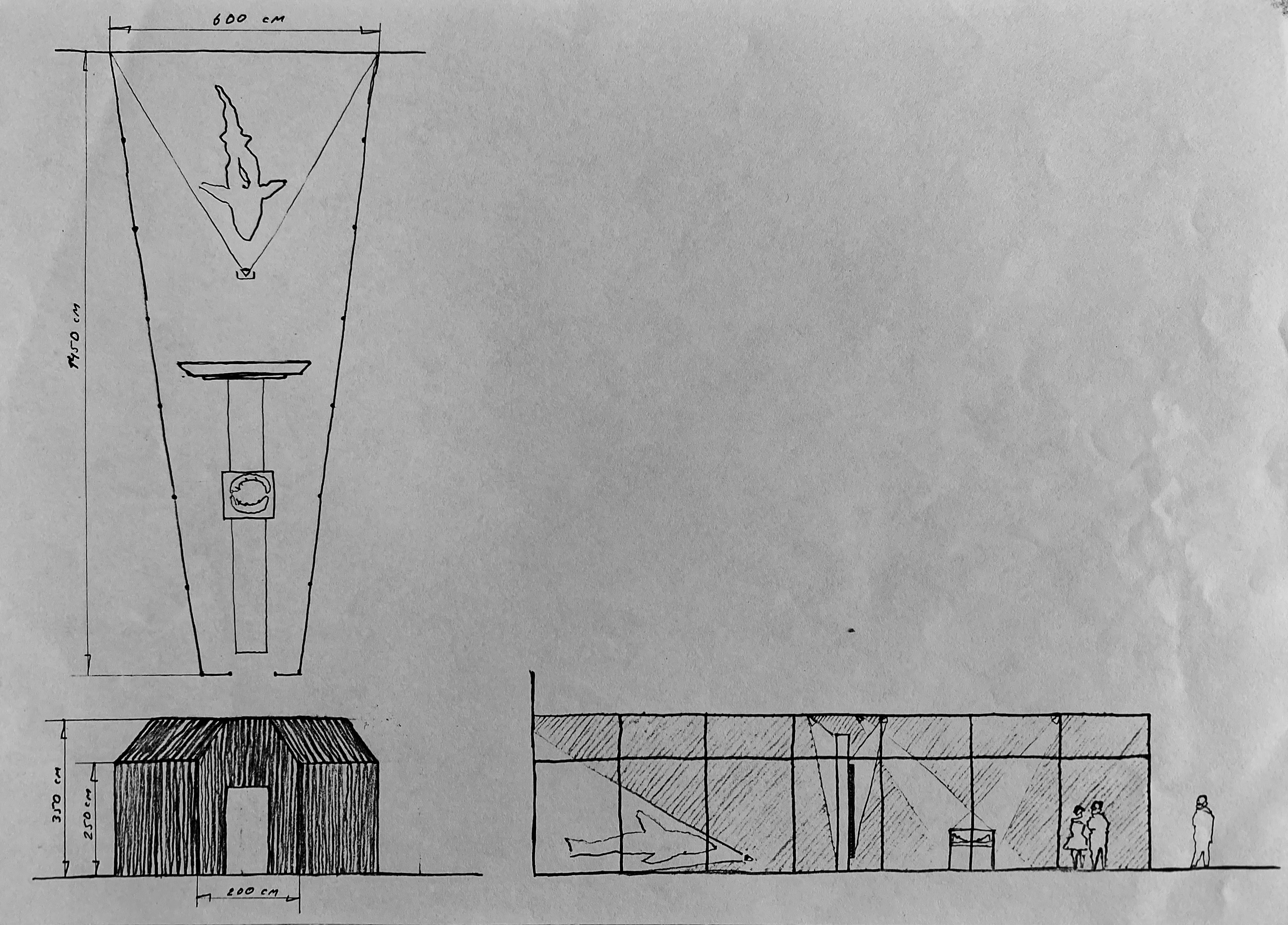
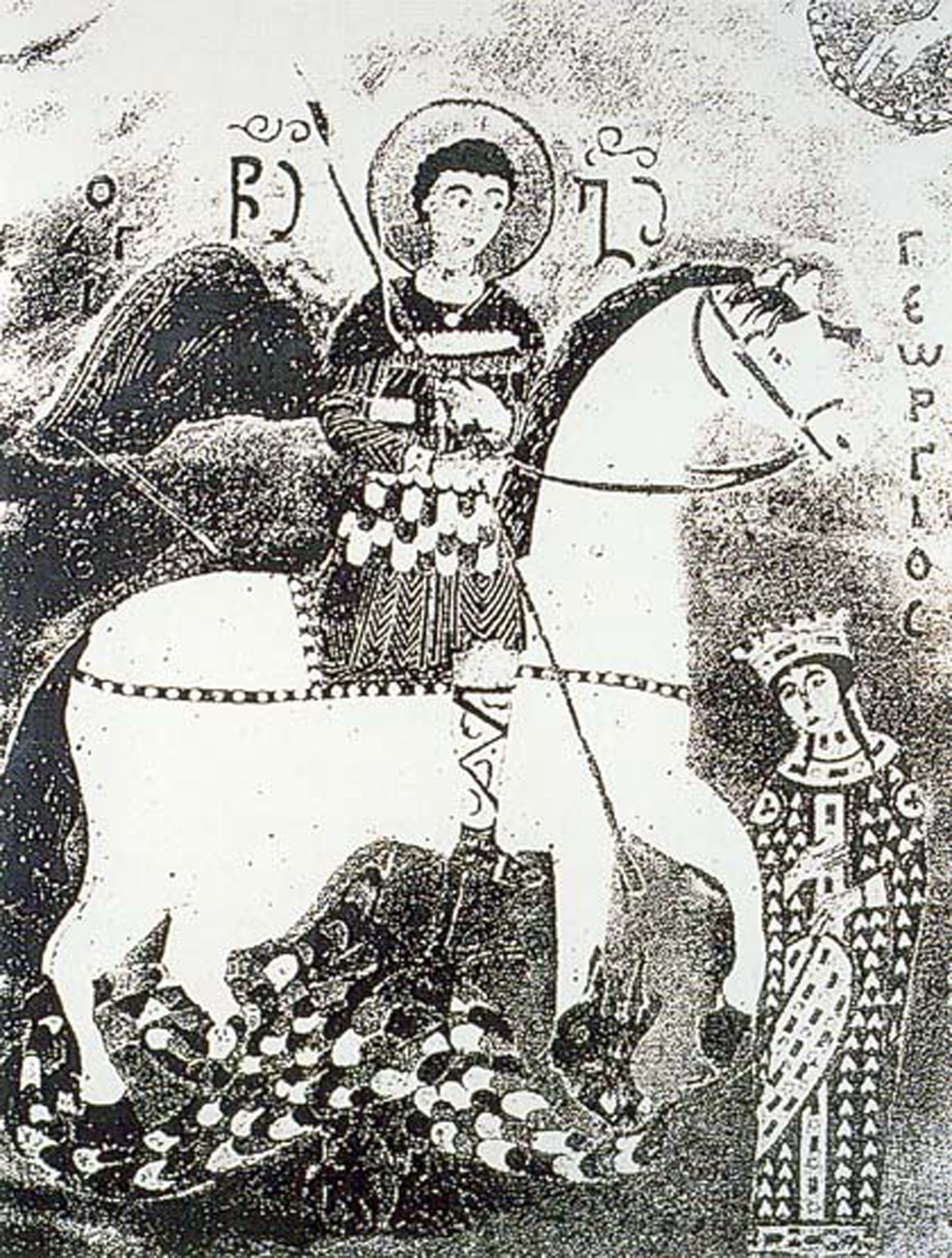
This total installation transforms the conventional exhibition space, reshaping the viewer’s experience from the moment of entry. Defined by enveloping black material, the room is dramatically narrowed and elongated, culminating in a widened top wall. An ecclesiastical atmosphere is established by the visible gabled roof and a monumental image of St. George (250 x 200 cm; photocopy paper on canvas) on a white wall. The route visitors are to take is set and doesn’t allow for detours. A red carpet leads into the semi-dark space.
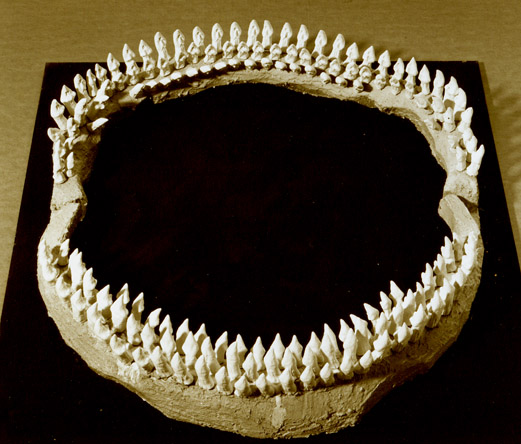
Subdued lighting meticulously highlights key components. The passage begins with a confrontational encounter with an oversized set of two large jaws, reminiscent of those of a shark (100 x 100 x28 cm; cement, gypsum, glass), positioned centrally on a pedestal before the St. George image. Upon closer scrutiny one notices that each tooth resembles a praying monk. From there, continuing to follow the red carpet, the viewer emerges into the installation’s core, on the other side of the white wall, that changes into a red colour.
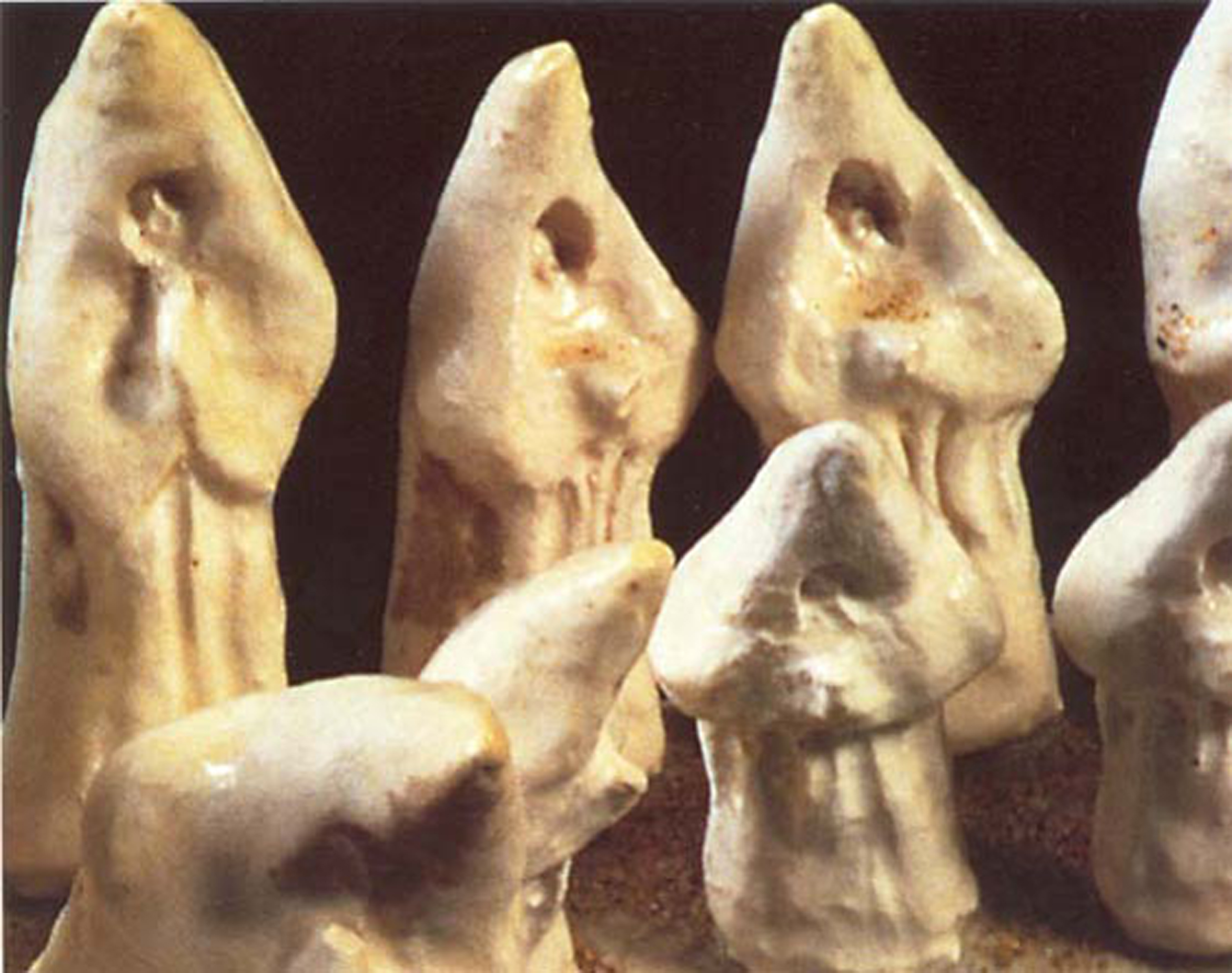
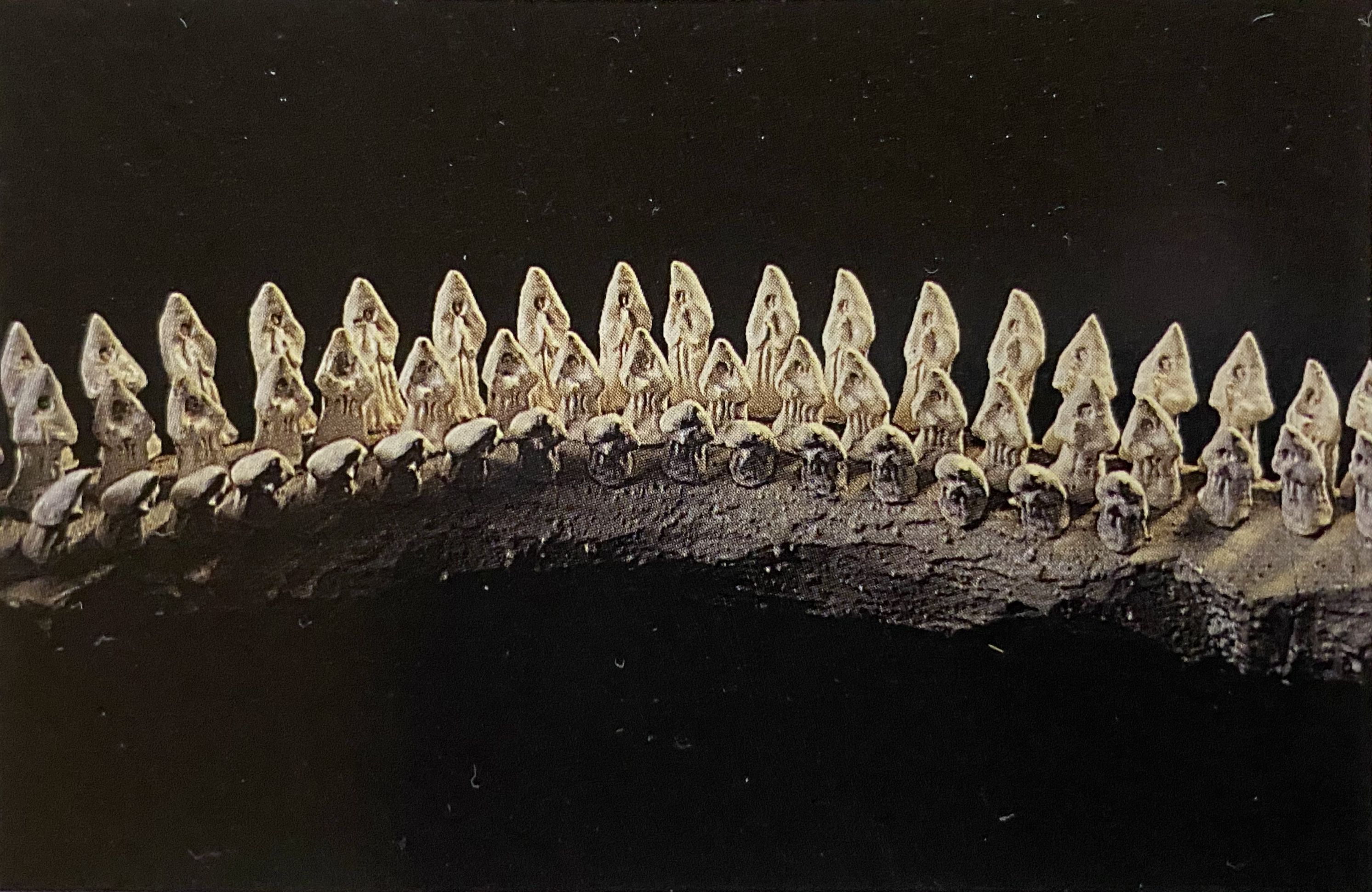
The heart of the space is dominated by a giant, grayish, shimmering fish—its menacing dorsal fins suggesting a shark (370 x 200 x 140 cm; canvas, cement, sand, carton, plexiglass). This creature rests on a low iron scaffold, lit by a single lamp. The light casts a profound, unsettling shadow on the wall, an effect unnervingly amplified by the sound of circulating warplanes and star fighters breaking the silence. Intensified by the acoustic background, the shark’s shadow morphs into the suggestive shape of a large military aircraft.
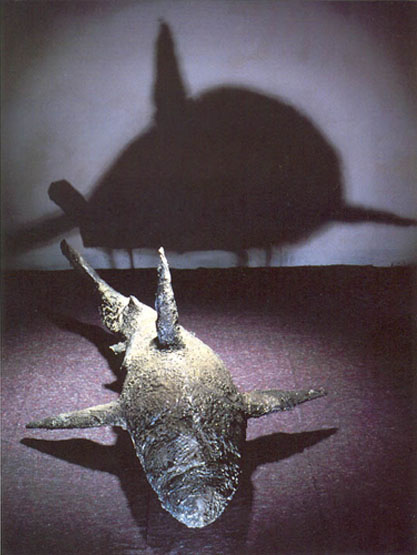
Exhibited: TOR I, Gallery Friedrich, Cologne, Germany, 1993
Kunsthalle, Cologne, Germany, 1995
Ursula Blickle Foundation, Kraichtal, Germany, 1995 (Ursula Blickle Prize for Installation Art: 1st Prize)
Last supper – 1994
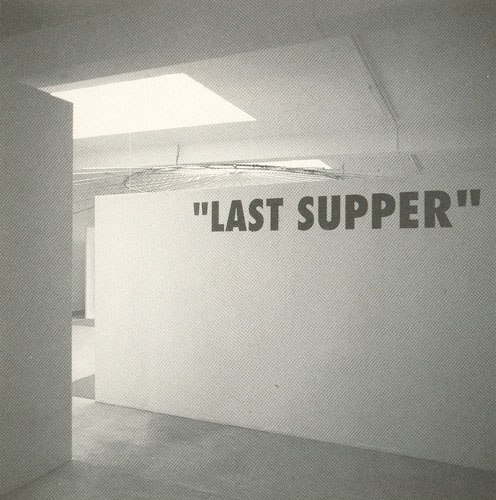
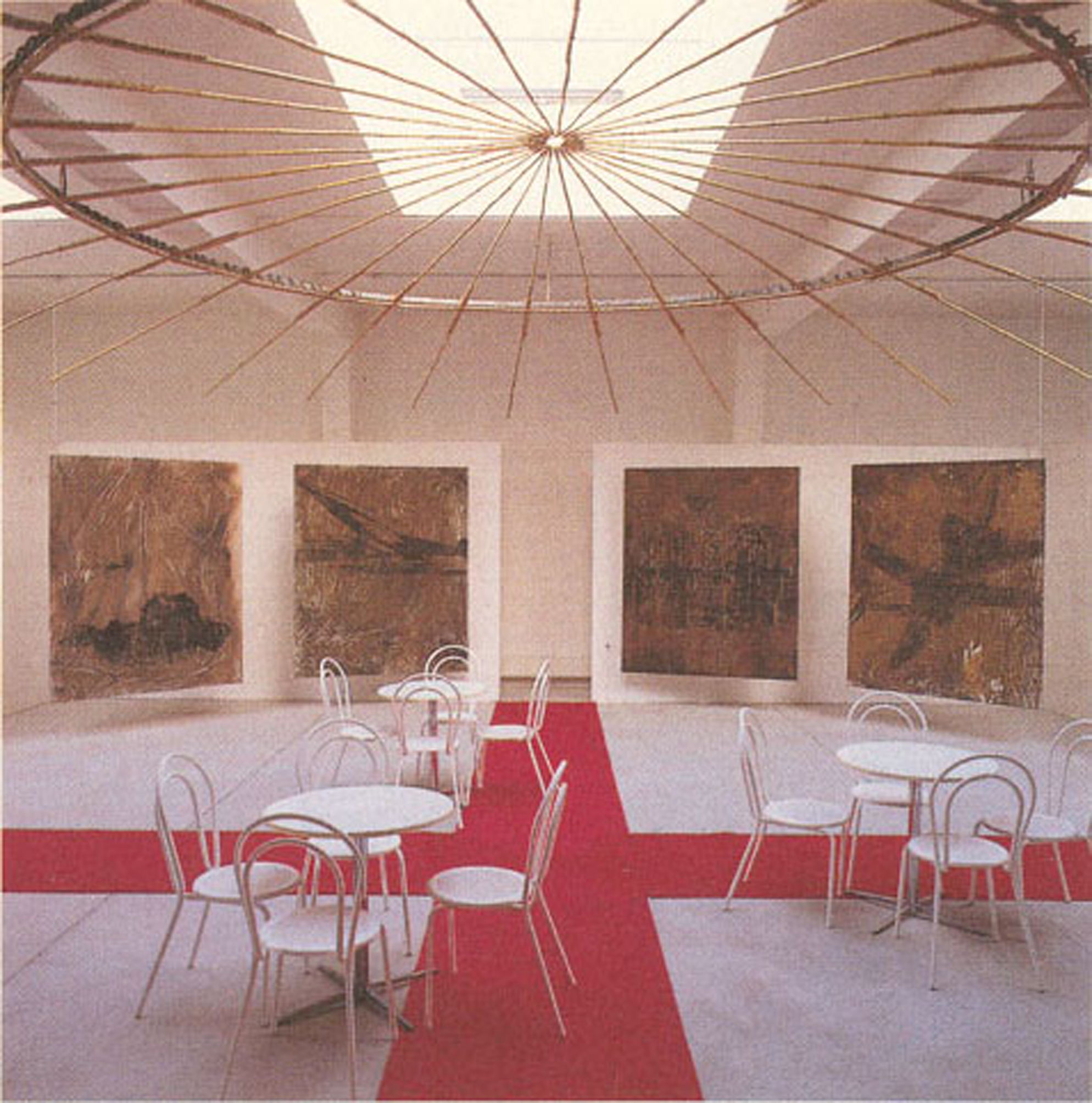
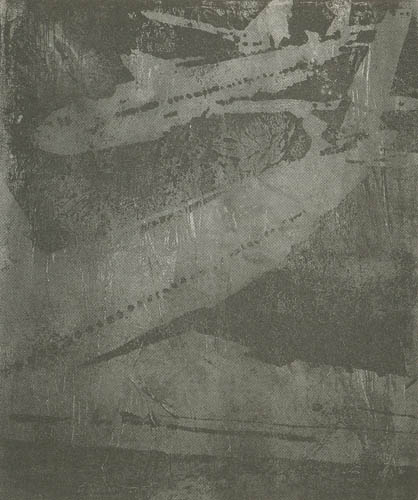
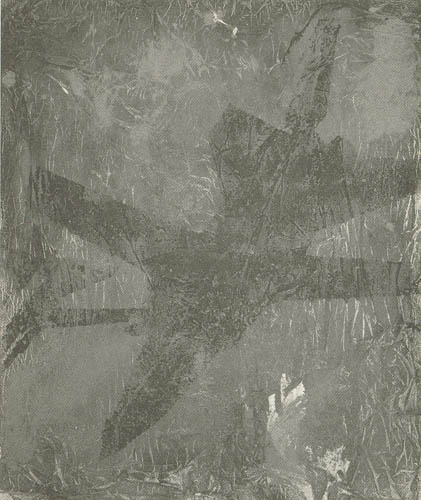
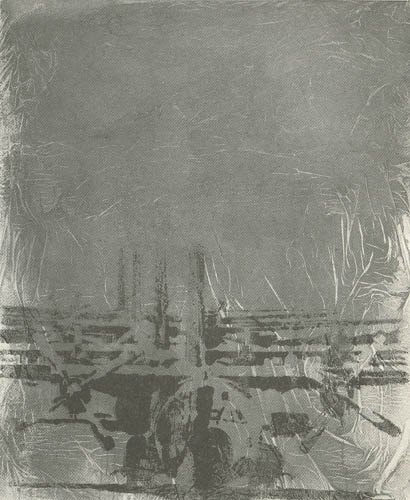
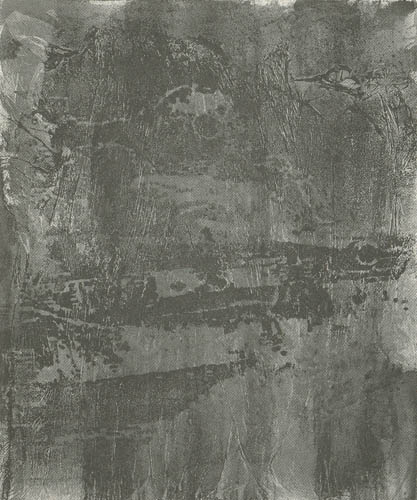
A 100 m2 square space, surrounded by walls; each wall has a door in the middle; carpets are connecting the four doors, thereby forming a red cross in the middle of the floor surface; above this space an all-covering umbrella-like bamboo roof, the form of which is reminiscent of a half globe; three tables and twelve chairs are located in the middle near the crossing carpets; in a surrounding circle twelve paintings (silkscreen on sand on canvas, each 200 x 170 cm are freely hanging from the ceiling; the paintings depict the destruction of the human environment by mankind’s “progress”, including tanks, fighter planes, gas masks, soldiers and military cemeteries.
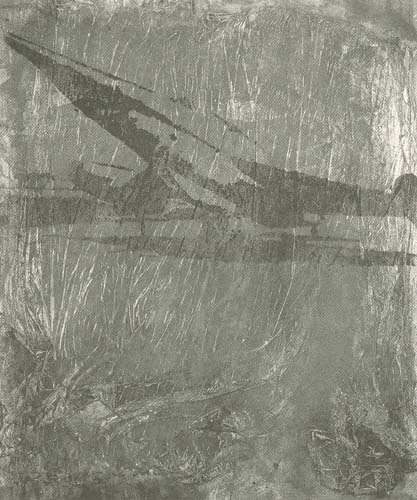
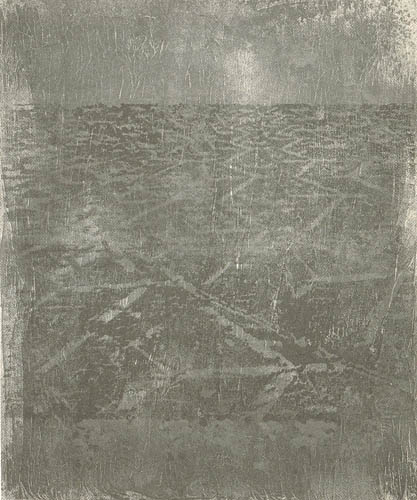
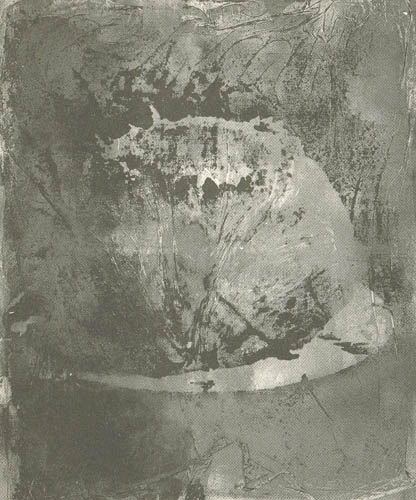
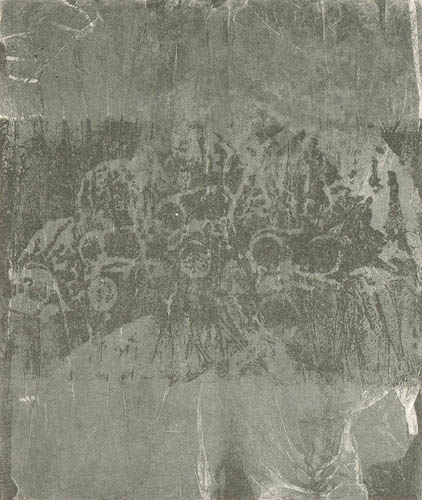
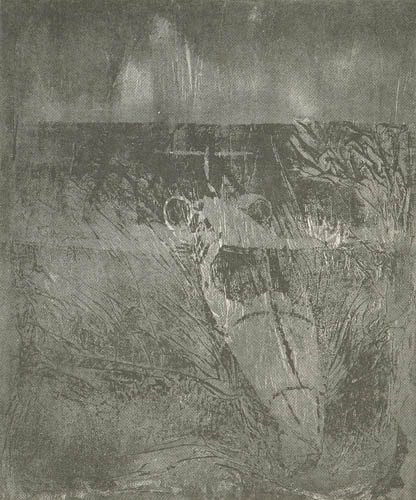
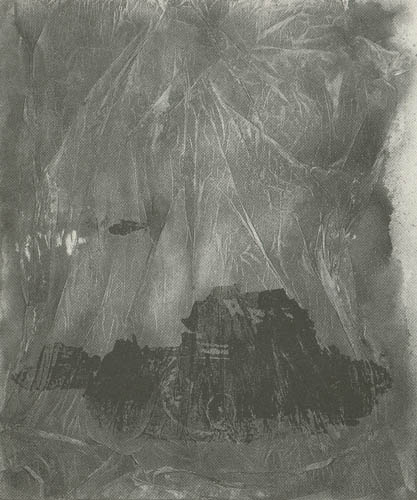
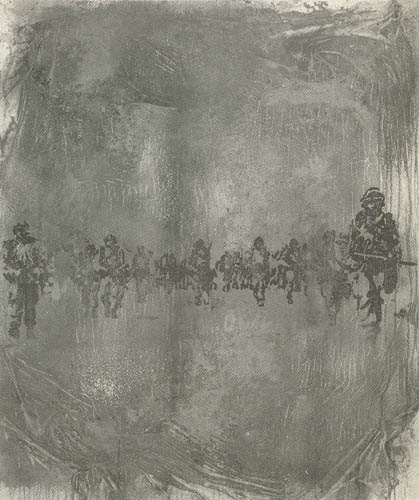
Visitors of the installation were served red wine and bread.
Exhibited: Gallery Jule Kewenig. Frechen-Bachem
(in showroom the gallery Johnen & Schottle, Cologne)
FROZEN TIME OR THE DESIRE TO FLY
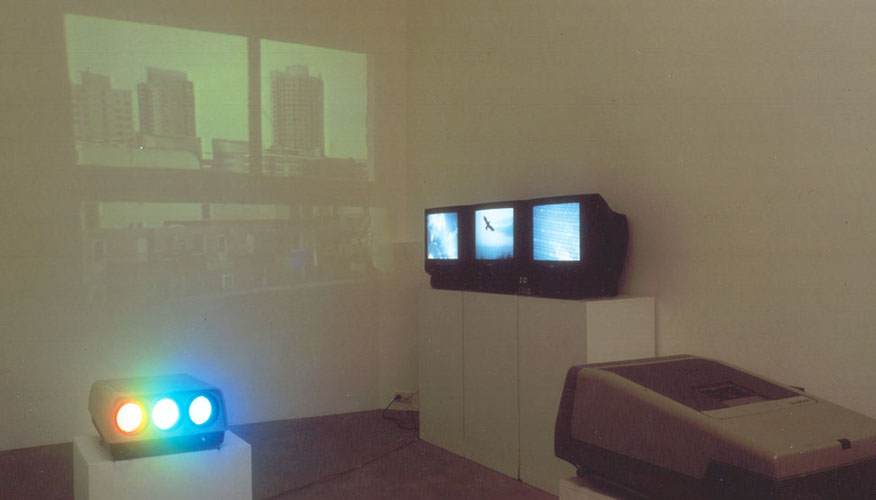
Three monitors and two video projectors: In one video projection a window is portrayed behind which a city facade with no movement in it. The other video projection on the opposite wall shows a seaside; the beach, some dune grass that slightly moves due to a breeze, and a calm sea. In between the three monitors are positioned, all showing in different rhythms their image followed by a black screen.
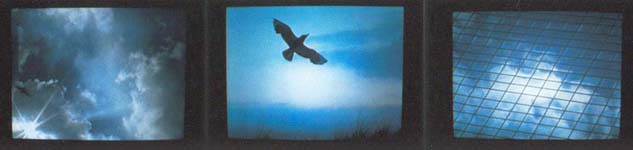
The first depicts the sky and a flying bird. The second monitor pictures an on the glass painted bird and behind it some gently waving grass. The third monitor portrays a modern glass building that reflects the sky and the clouds that pass by.
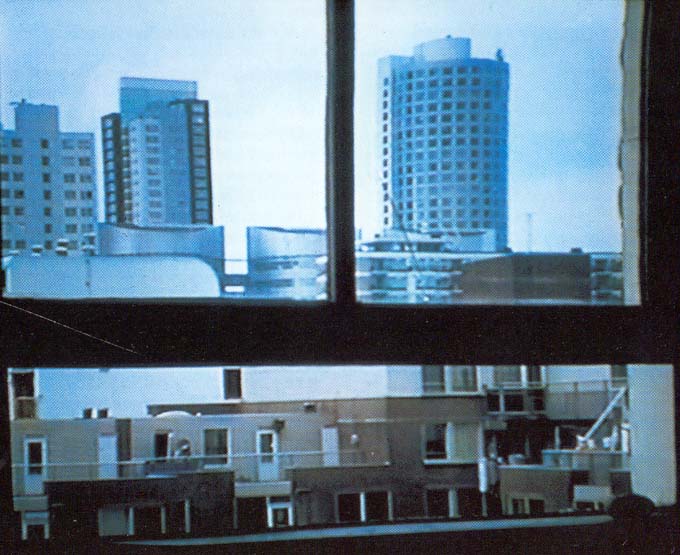
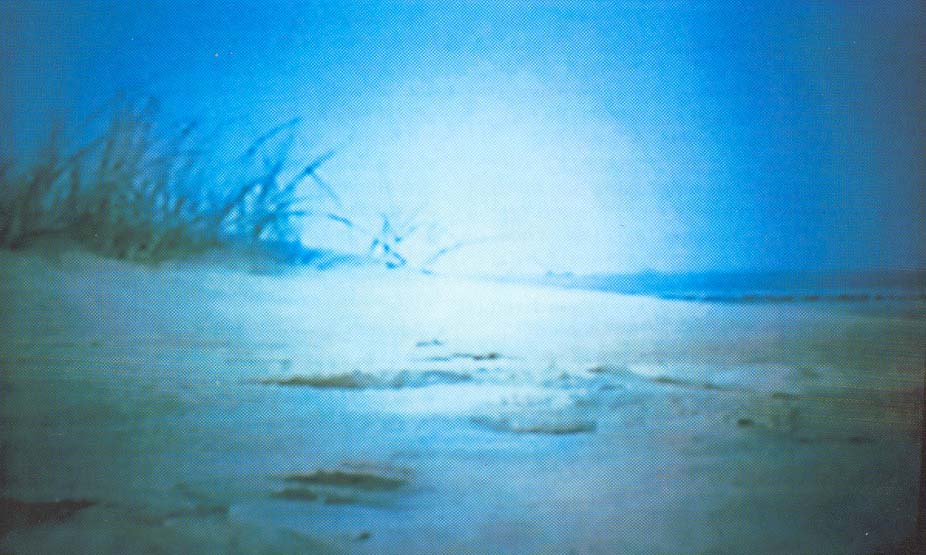
There is no human being in sight, yet the sounds added to the installation are those of full-scaled, non-stop city action.
Exhibited: Gallery Schuppenhauer, Cologne, 1997
CONTAINER – 1998
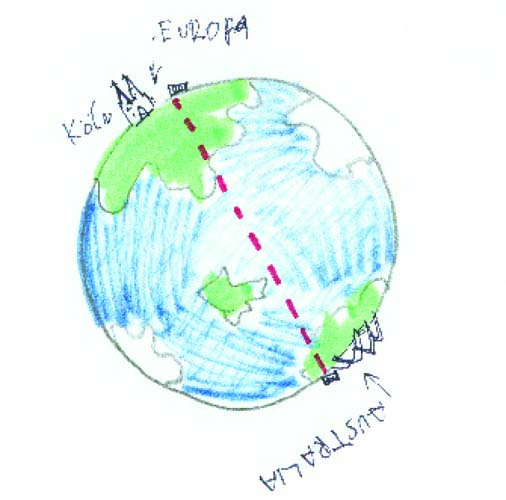
The theme of this installation is derived from a childhood’s joke…
In a small, Australian town a container disappeared. After a long time of searching, everybody forgets about the mysterious story. Six months later, in the centre of Cologne, Germany some passers-by stumble upon an on the outside completely burned, dirty and damaged container that arises from the ground in a sort of crater.
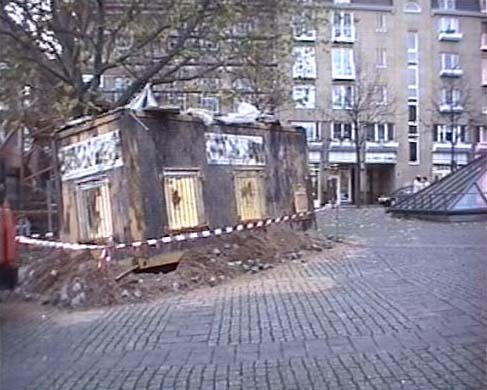
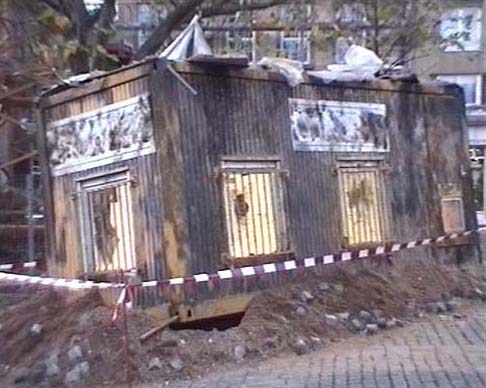
Scientists claim that, “this is the container that vanished from the face of the earth in Australia some months ago”.
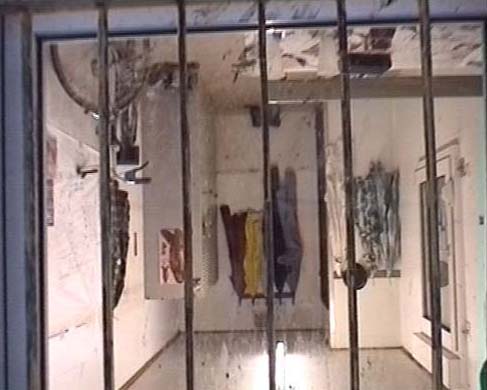
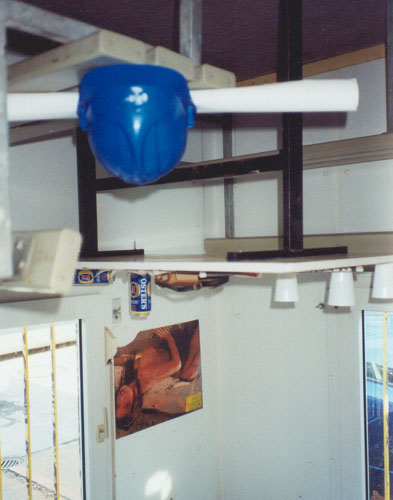
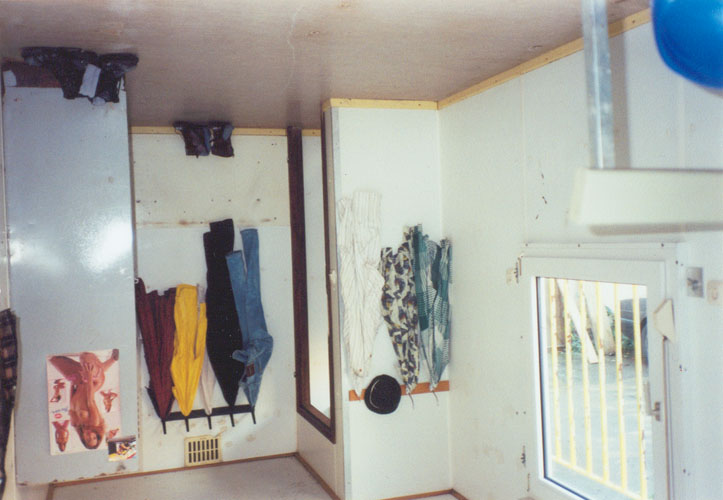
“Everything in the container is upside down. This might indicate that the Australian air remained conserved in it. It is believed that once its door is opened and European air permeates the container, everything inside it will fall down.”
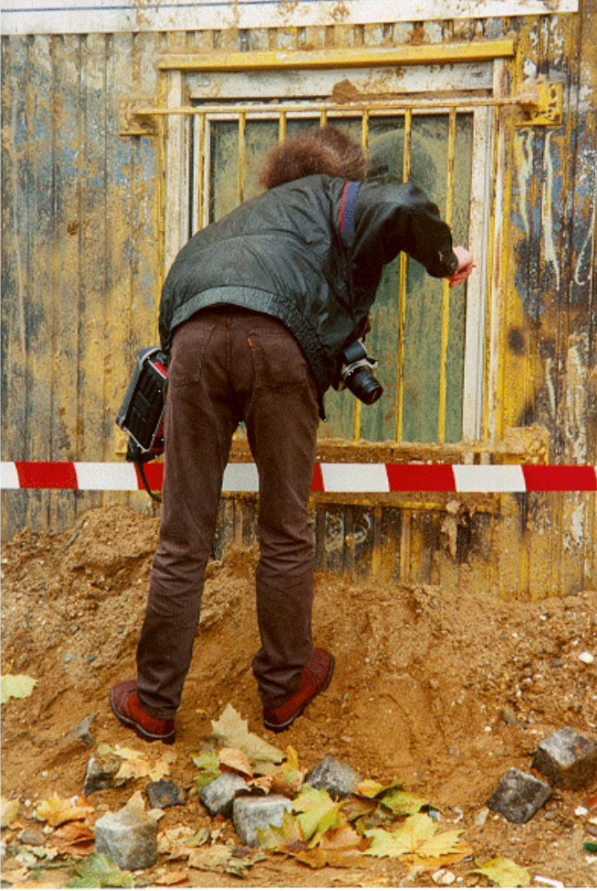
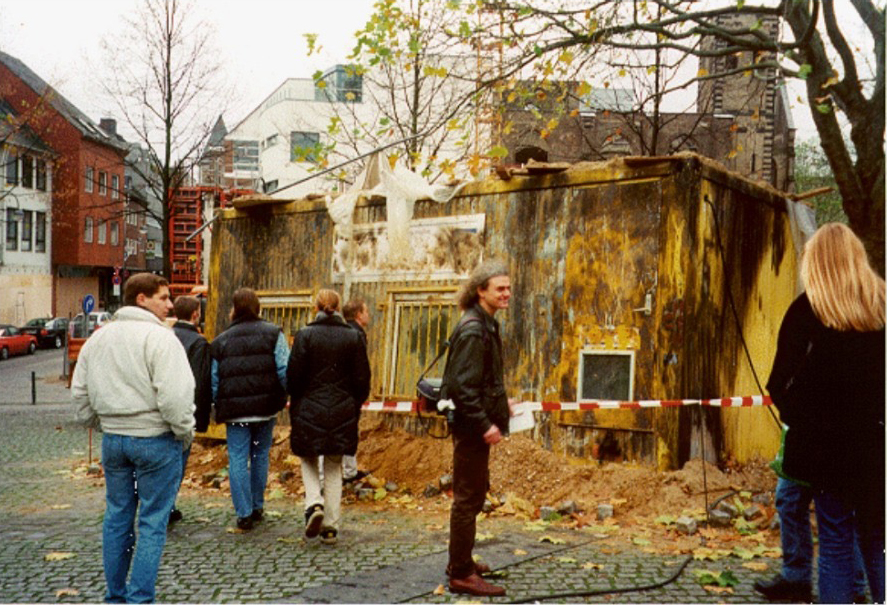
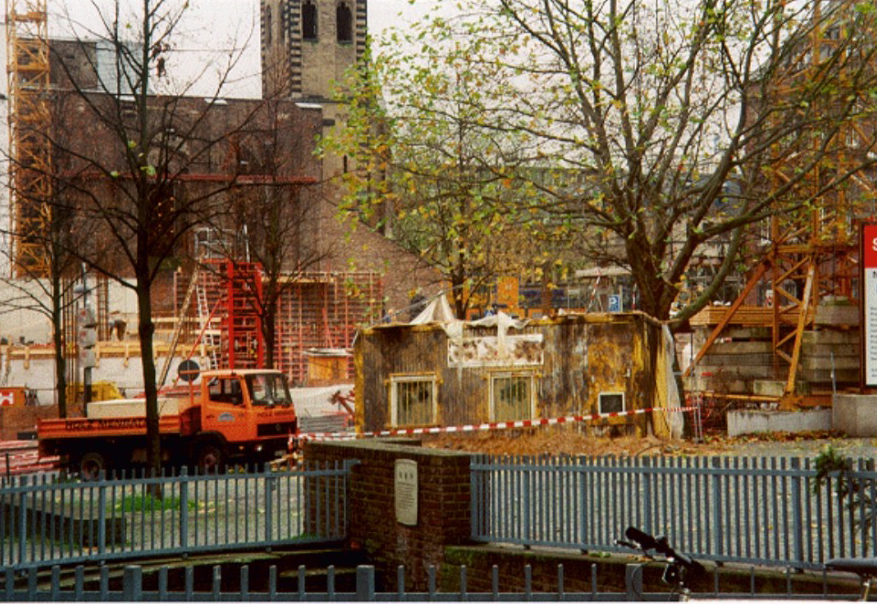
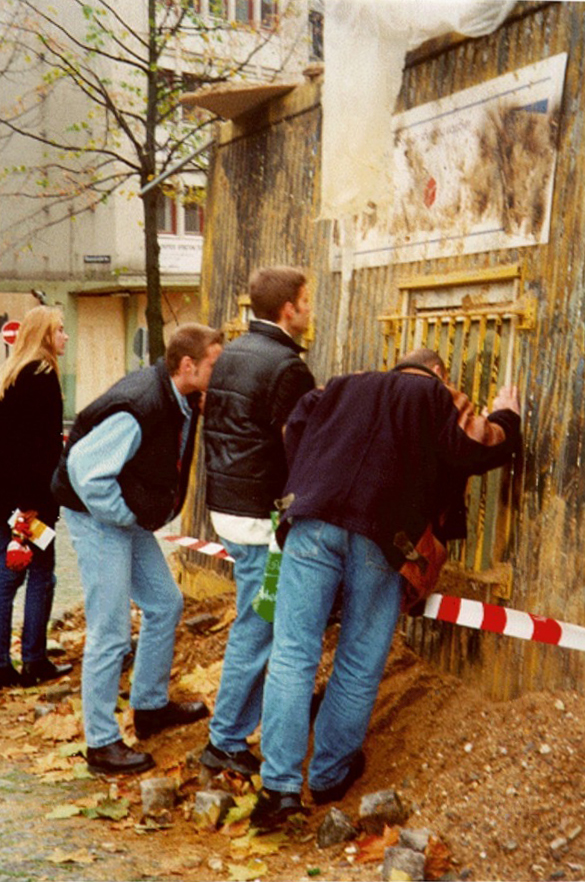
Exhibited:
Cologne, Germany 1998
AT WHAT PRICE
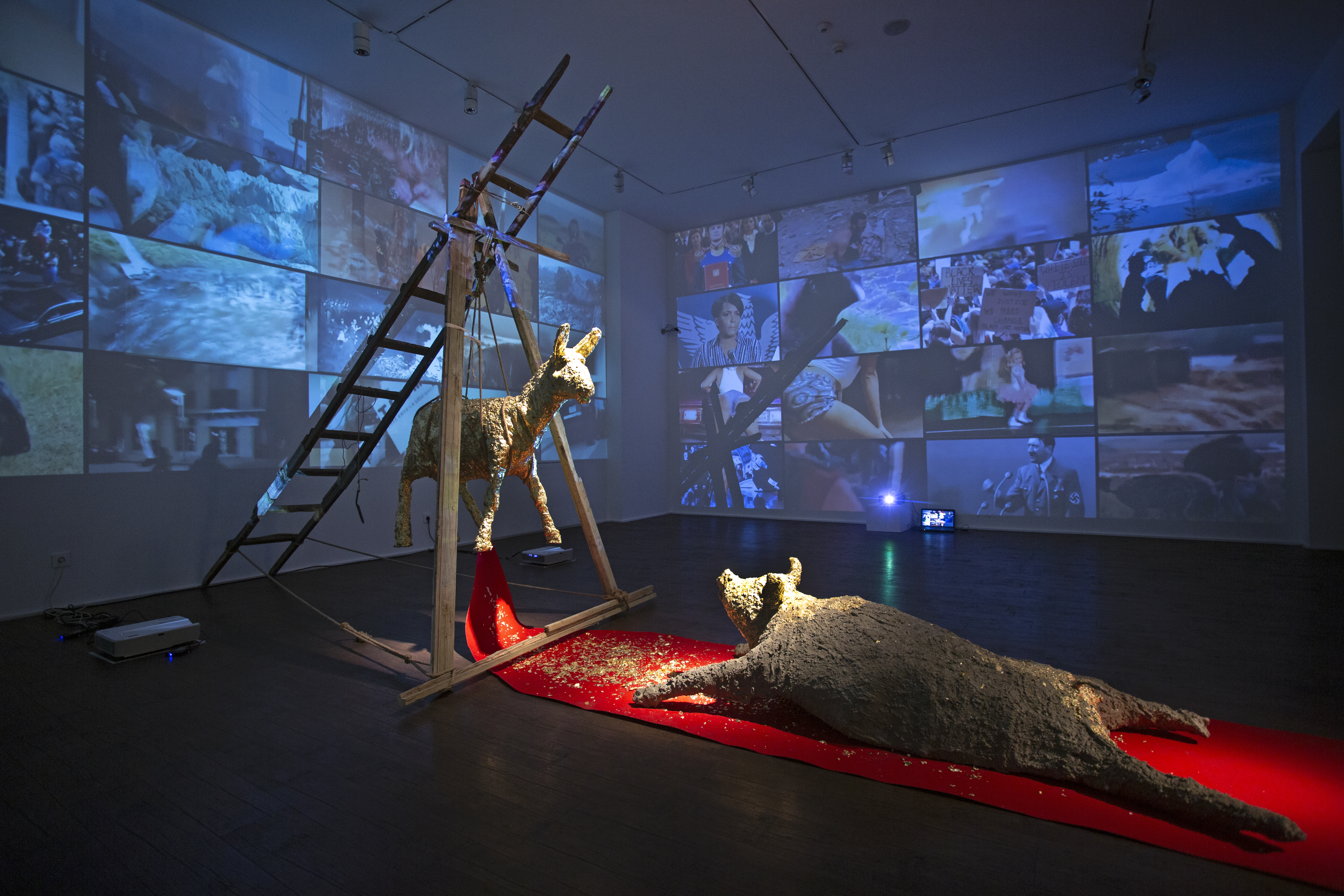
The installation “At What Price” emphasizes human greed, malice, and the reckless struggle for power. The installation is preceded by a text by John Locke:
“Man is born free, and everywhere he is in chains.”
“No one has the right to direct their will against the will of another.”
“Our rights are bestowed by God, not granted by government.”
“We do not belong to the government; rather, the government belongs to us.”
“The individual is supreme — we are the absolute masters of our own souls.”
“The fruits of our labor belong to us.”
“The creation of civil society began when a person, upon fencing off a piece of land, first thought and said: ‘This is mine!’ And others appeared who believed him and agreed. Yet if only someone had overcome the boundless abyss of greed and said: ‘Do not listen to this impostor. The fruits of the earth belong to everyone; the earth itself belongs to no one.’ Then humanity would have been spared countless crimes, wars, murders, cruelty, and misfortune.”
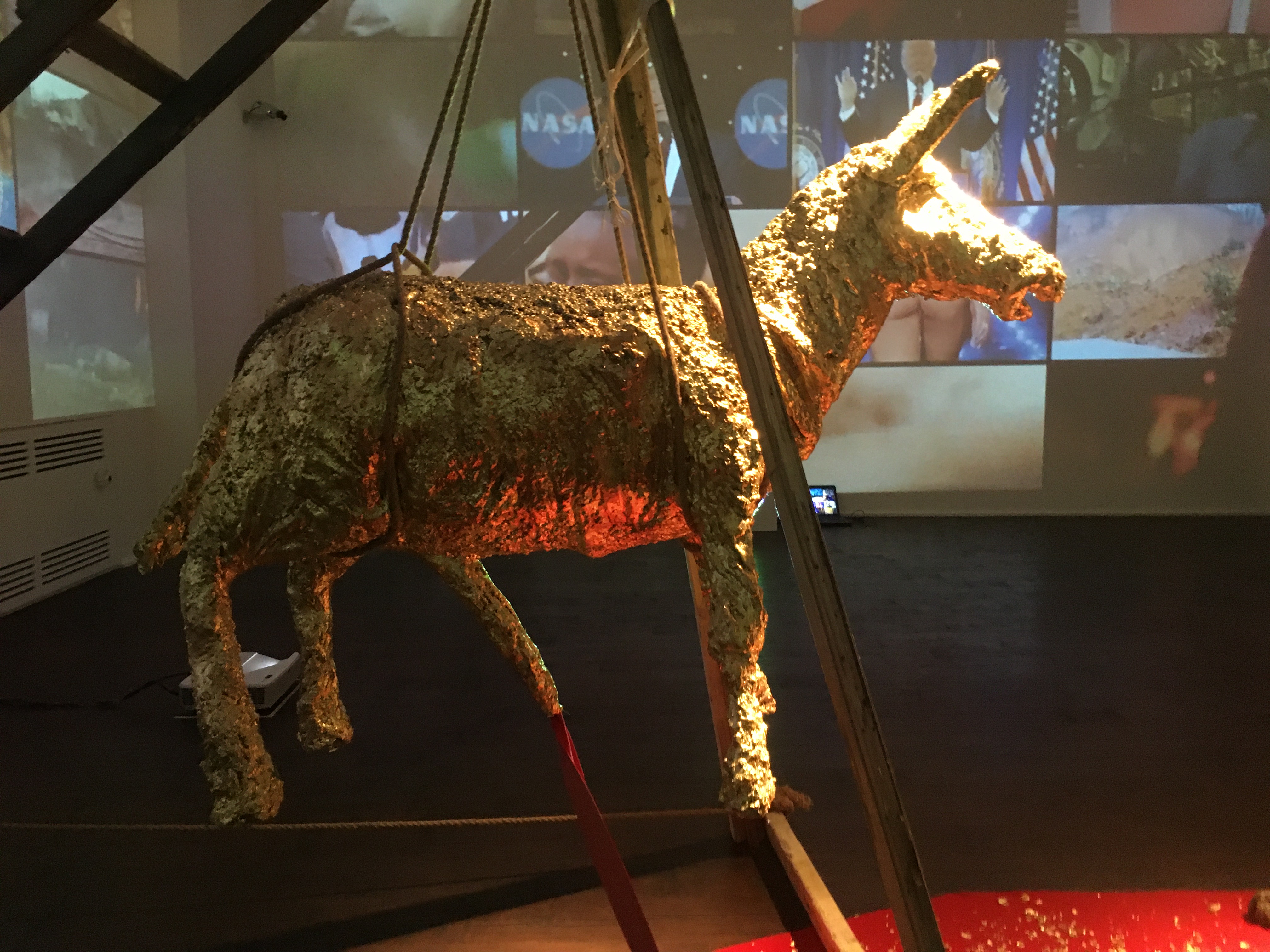
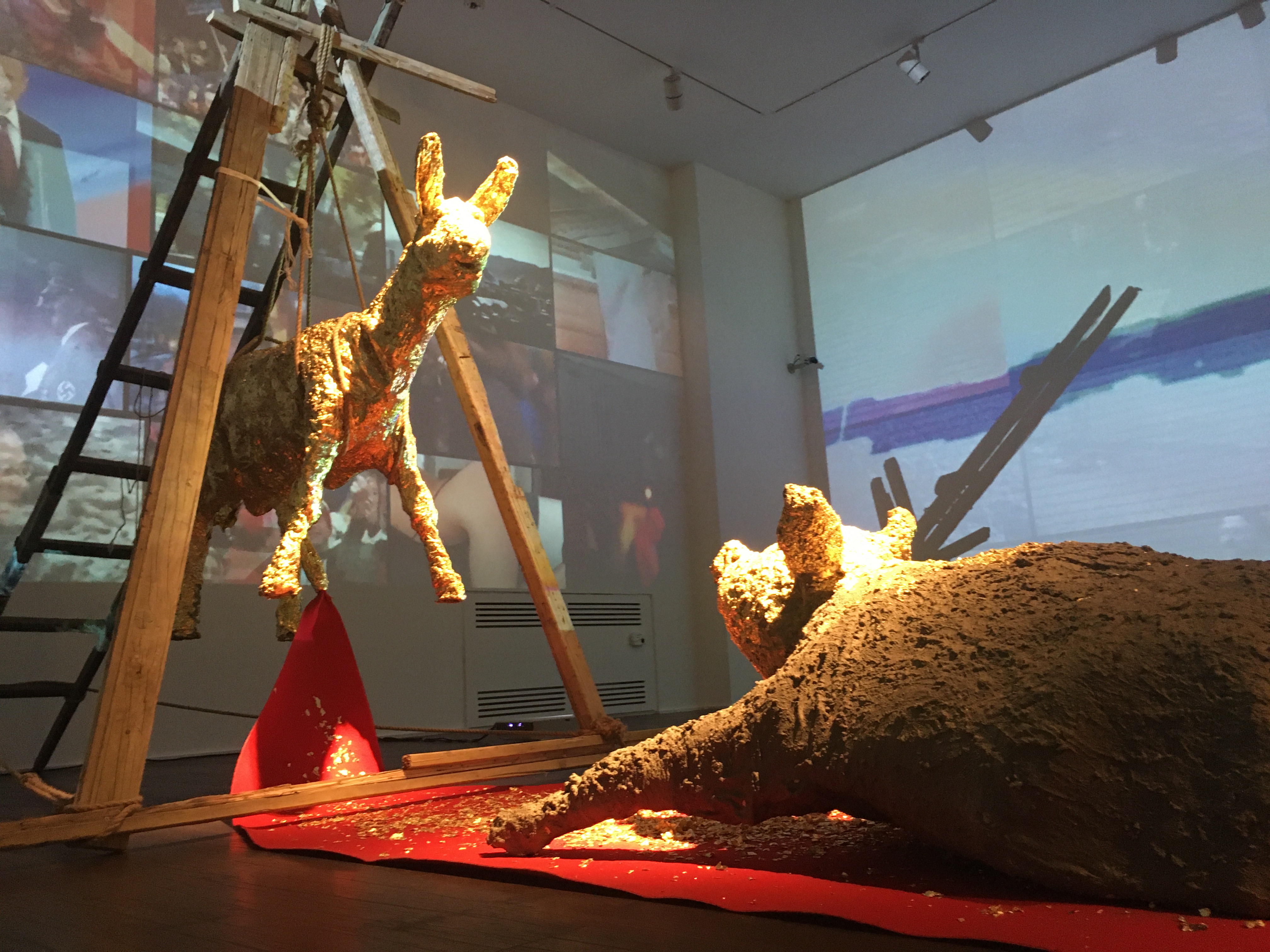
A gilded donkey, seized by the desire to rise higher, gazes arrogantly down upon a half-gilded pig lying stretched out before it on a red carpet. Around them, on the surrounding walls, noisy and disturbing images alternate in video projections.
LONGING TO BELONG
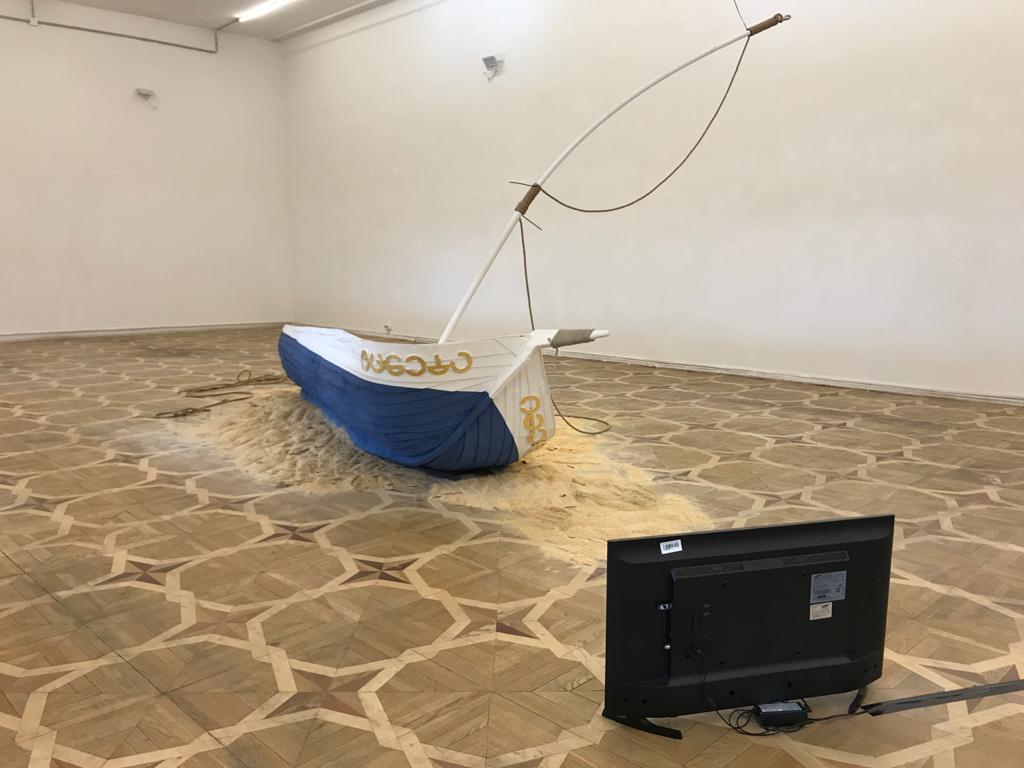
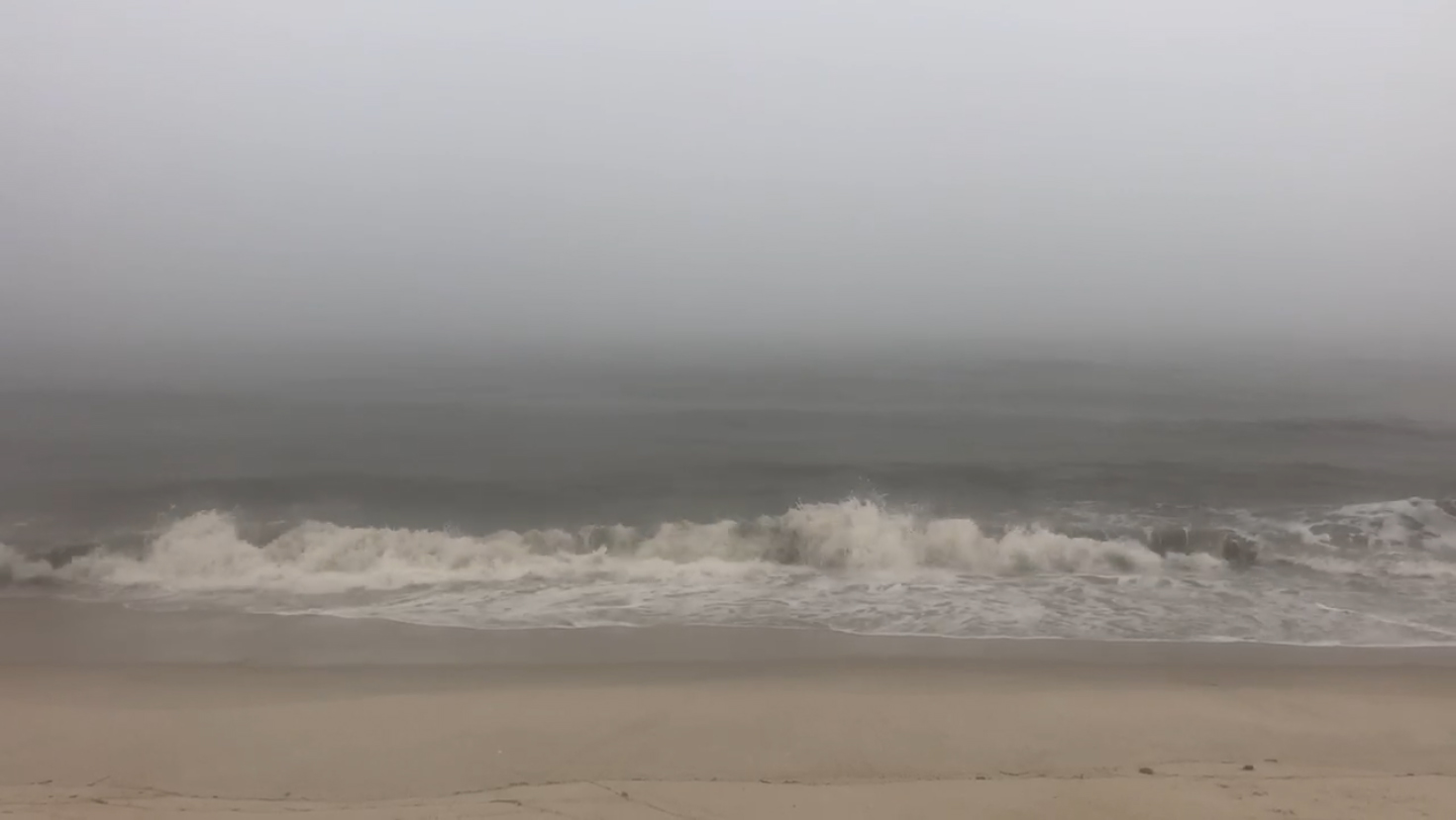
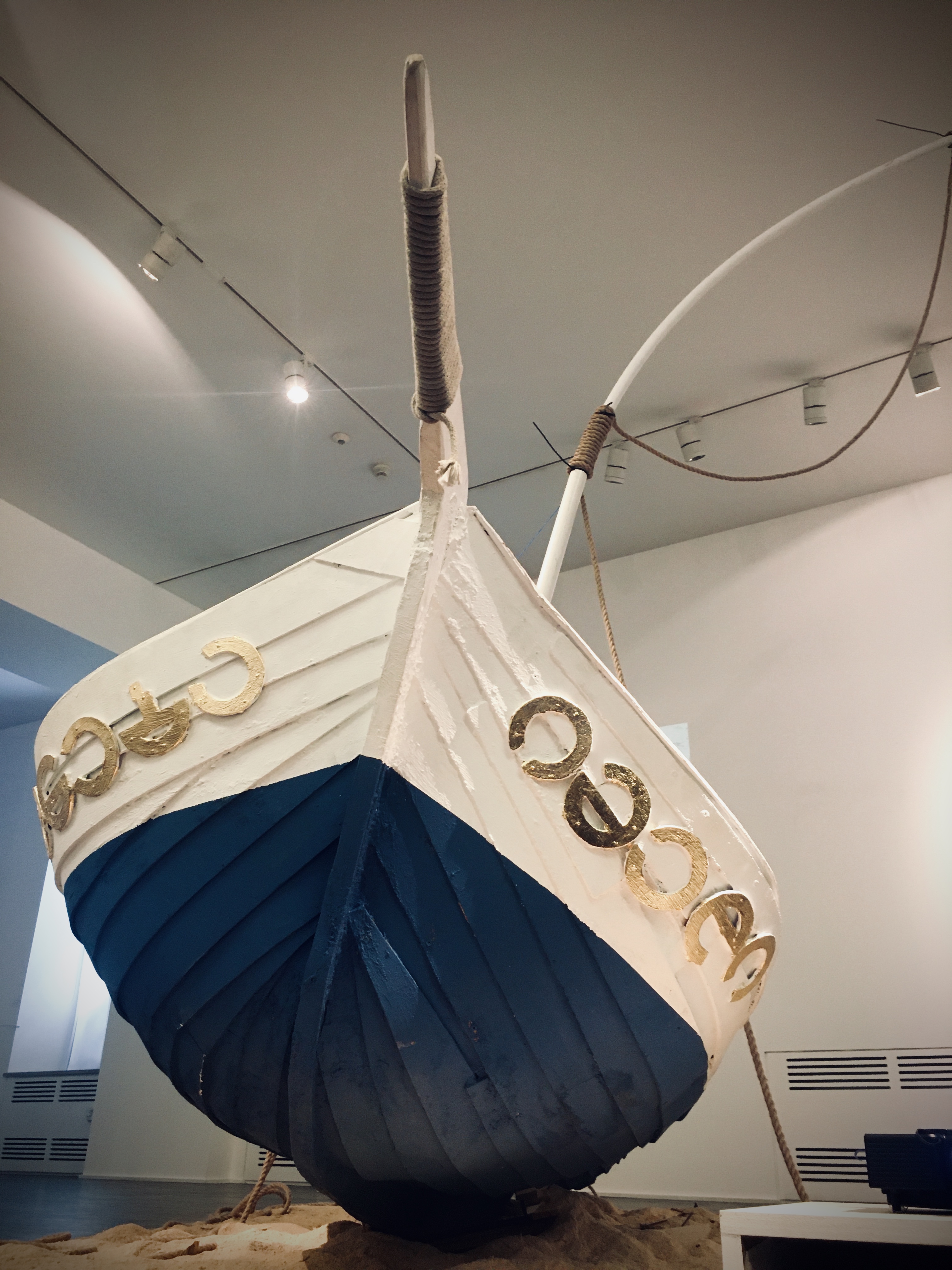
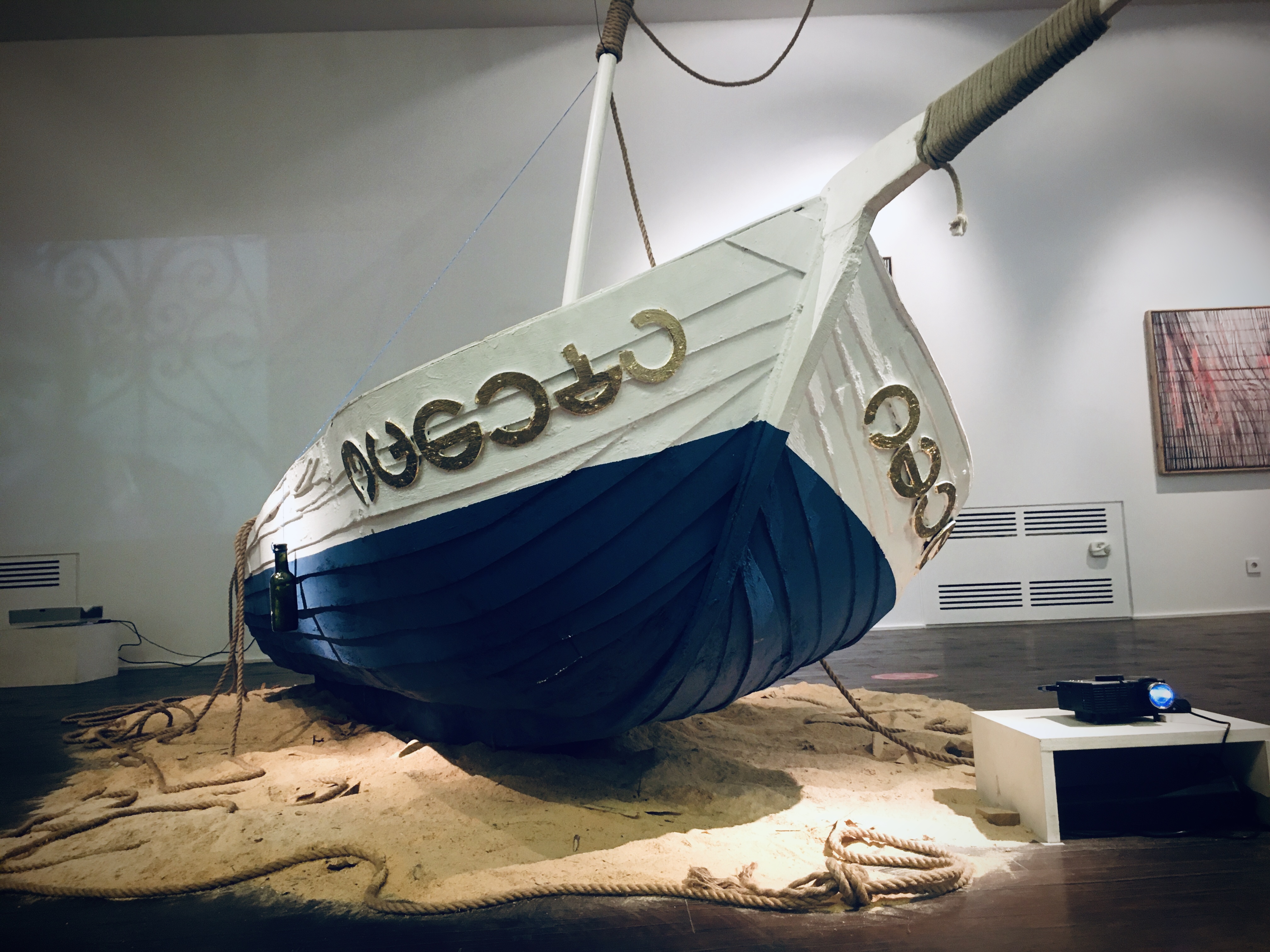
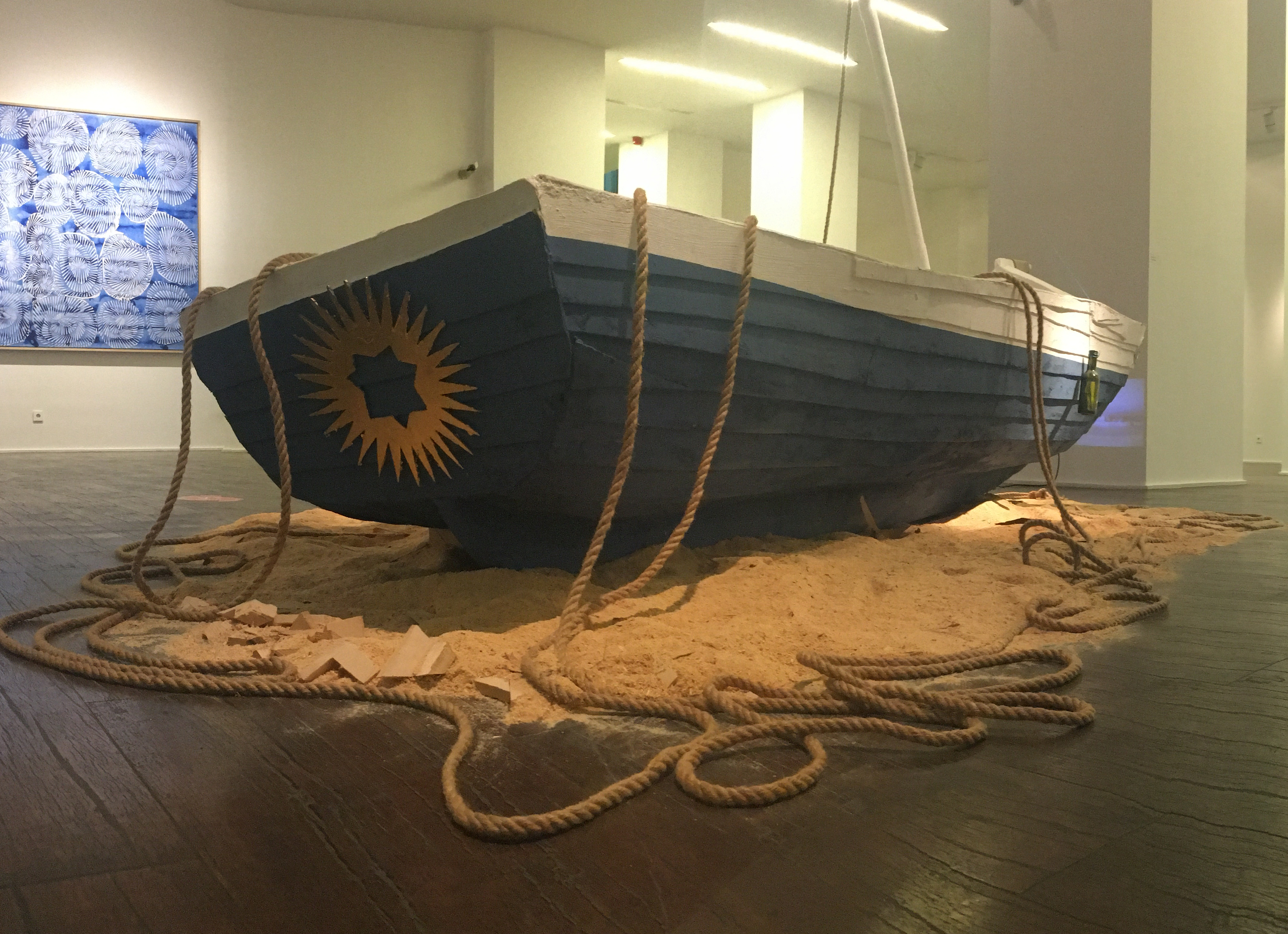
A nonfunctional boat lies in the middle of the hall, hopelessly gazing toward the moving sea waves on the monitor in front of it. On one side of the boat is written Hope, and on the other side, Dream.
“In ancient Greek culture, hope and dream were considered ironic, even mocking words. Just as one should place hope in no one but oneself, so instead of dreaming, one must achieve one’s goals through one’s own strength.”
Exhibited:
National Gallery Tbilisi, Georgia, 2020
MOMA Tbilisi, Georgia, 2021
Luca Lazar
lucalazarart@gmail.com
Pages